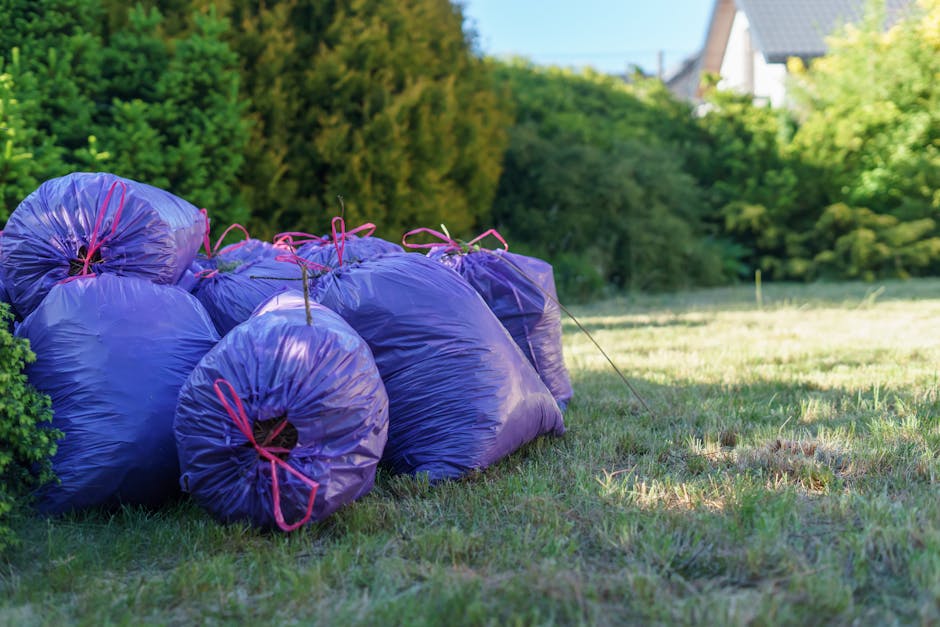
Syon Park garden waste pickup Hounslow eco tips
If you are dealing with a pile of hedge cuttings, lawn clippings, branches, or the aftermath of a proper weekend garden clear-up, you will know how quickly it can get out of hand. The good news is that Syon Park garden waste pickup Hounslow eco tips is not just about getting rid of green waste fast. It is also about doing it in a way that keeps reusable material out of the wrong bin, reduces unnecessary transport, and makes the whole job less stressful.
In a leafy pocket of west London like Syon Park and the wider Hounslow area, garden waste can build up after one big pruning session or slowly, the sneaky way, after a few weeks of mowing, weeding, and tidying. This guide walks through how garden waste pickup works, what eco-friendly choices actually matter, and how to avoid the common mistakes that turn a simple collection into a messy, costly chore.
There is a practical side to all of this, of course. But there is also a simple satisfaction in seeing a garden cleared properly, smelling fresh cut grass rather than damp piles of branches, and knowing the waste has been handled with a bit of care. That matters more than people sometimes think.
Why Syon Park garden waste pickup Hounslow eco tips matters
Garden waste looks harmless at first glance. It is only leaves, twigs, grass, maybe a few stubborn roots. But once it starts piling up, it can block paths, attract pests, and make an otherwise tidy garden feel neglected. In places around Syon Park where gardens often sit close to homes, boundary walls, and shared access points, that can become a real nuisance very quickly.
The eco part matters too. Garden waste is one of those streams that can often be handled in a more resourceful way than general rubbish. Clean green waste may be suitable for composting, mulching, or other forms of recovery depending on how it is sorted and where it goes. When mixed with plastic pots, treated timber, stones, or household waste, that potential drops fast. Bit of a shame, really, because good separation is usually the difference between useful material and expensive mixed waste.
For residents and landlords in Hounslow, a thoughtful pickup approach also helps reduce repeat collections. Fewer failed attempts, fewer double-handlings, fewer awkward bags that split on the pavement. If you have ever carried a soggy sack of hedge trimmings across a driveway on a drizzly morning, you know exactly why this matters.
Expert summary: the greener your garden waste is at the point of collection, the more likely it is to be handled efficiently, reused appropriately, and removed without unnecessary extra cost or mess.
How Syon Park garden waste pickup Hounslow eco tips works
At its simplest, a garden waste pickup is a collection service for organic outdoor waste and related materials. The exact setup can vary, but the usual flow is straightforward: you gather the waste, sort it sensibly, arrange collection, and have it taken away for the next stage of processing.
Eco-friendly pickup starts before the van arrives. It begins with sorting. Grass cuttings, leaves, weeds, small prunings, and soil usually need different handling from pots, rubble, fence panels, or old garden furniture. The cleaner the load, the more likely it is to be recycled or recovered rather than treated as mixed rubbish.
If you are arranging support through a local clearance provider, a wider service such as garden clearance can be a good fit when the job is more than just a few bags of clippings. And if the garden waste is part of a bigger tidy-up that includes old furniture, broken items, or general household clutter, a broader waste removal service may be more practical. That is often the difference between one smooth collection and three separate headaches.
In many real-world cases, the job is not pure garden waste. It is a mix. A broken planter here, a stack of dead branches there, maybe an old parasol base or the remains of a shed shelf. The pickup process should account for that. If it does not, you may end up paying for the wrong sort of collection or, worse, delaying the clear-up while you sort it out later.
Key benefits and practical advantages
There are several reasons people in Hounslow choose a structured garden waste pickup rather than leaving everything in the corner of the plot for another day. To be fair, that corner tends to get bigger when ignored.
- Cleaner outdoor space: clearing waste quickly restores usable space and makes the garden feel cared for.
- Better presentation: useful for rental properties, homes on view, or gardens being prepared for sale.
- Reduced strain: no need to haul awkward bags to a distant disposal point yourself.
- More eco-aware handling: properly sorted green waste is easier to recover responsibly.
- Less risk of odour and pests: damp organic waste can start to smell if left too long in warm weather.
- Quicker project completion: once waste is cleared, the rest of the garden work often feels much easier.
One of the biggest practical advantages is momentum. A half-cleared garden is mentally tiring. A cleared one feels finishable. You can see the lawn, plan new planting, and actually enjoy the space again. That sounds small, but it really does affect how people use their gardens through spring and summer.
There is also a commercial angle for landlords, letting agents, and local businesses with outdoor space. A tidy exterior sends a different signal than a messy one. If you are managing multiple properties or commercial premises, related services such as business waste removal can help keep waste streams properly separated, which is a sensible habit rather than a fancy extra.
Who this is for and when it makes sense
This kind of pickup is useful for a wide range of people, not just the keen gardener with immaculate borders. In fact, some of the biggest jobs come from ordinary routines that have simply been left too long.
Typical situations where it makes sense
- Seasonal pruning after spring growth or autumn leaf fall
- End-of-tenancy garden tidy-ups
- Overgrown gardens before landscaping work
- Post-storm branch and debris clearance
- Regular maintenance for busy households
- Clearance after removing shrubs, turf, or old planting beds
It also makes sense when you are already doing a wider clear-out at home. For example, if the shed is full, the loft has become a holding area for old things, and the garage is basically a museum of abandoned garden tools, then a package of services may be more efficient. Some people pair garden work with garage clearance or even home clearance if they are in the middle of a proper reset.
The key question is not "Can I move this waste myself?" It is "What is the smartest, cleanest, least disruptive way to deal with it?" That is where most people land once the bags start multiplying by the back door.
Step-by-step guidance
If you want a smoother pickup and a better eco outcome, a little preparation goes a long way. Here is a practical route you can follow without turning the job into a weekend project of its own.
- Separate green waste from everything else. Keep grass, leaves, weeds, and soft plant material apart from plastics, ceramics, rubble, and timber.
- Cut bulky material down to size. Long branches and tangled stems are harder to load and may reduce how efficiently the vehicle is used.
- Remove contamination. Pull out plant labels, plant pots, compost bags, wire, string, and bits of broken plastic where you can.
- Bundle or bag sensibly. Use sturdy containers or tied bundles. Overfilled bags split. They always do, usually at the worst moment.
- Check access. Make sure gates, side passages, and driveways are clear enough for loading.
- Decide what else is going. If the waste includes old furniture, broken garden items, or domestic clutter, say so in advance.
- Arrange the collection. Confirm what the provider can take and whether the load is solely green waste or mixed waste.
- Walk the site before pickup. A quick final check helps catch hidden items such as old hose reels, cracked pots, or tools left under shrubs.
That final walk-through is often the most useful minute of the whole process. You spot the stray bits, avoid awkward surprises, and keep the collection clean. Simple, but effective.
Expert tips for better results
A few habits make garden waste pickups more efficient and far more eco-friendly. None are complicated, but they do separate a tidy job from a messy one.
1) Keep green waste genuinely green
Do not mix in household rubbish "just for convenience". It sounds harmless, but even a little contamination can reduce the recycling or recovery value of the load. Food packaging, broken containers, and old textiles have a habit of sneaking in. They should not.
2) Chop down oversized waste before collection day
Long branches, thorny stems, and dense hedge cuttings are easier to handle when cut into manageable lengths. You do not need to overdo it. Just enough to stop the heap turning into a tangled nest.
3) Think about composting first for small volumes
If you only have a light weekly amount of grass and leaves, composting some of it at home may be the simplest eco option. Not every garden is suited to this, though. If space is limited, or if you have diseased material, a professional pickup is usually the safer route.
4) Use the pickup as a chance to declutter the outdoor area
Old plant supports, cracked pots, worn-out watering cans, and snapped trellises often linger far too long. Clear them at the same time and the garden feels twice as good. There is no award for keeping rusty bits "just in case".
5) Match the service to the job
If you only have small amounts, a light collection may be enough. If the waste is from a larger landscaping project, a dedicated clearance option is usually more efficient. The aim is not to book the biggest service available. It is to pick the one that suits the actual pile on the ground.
For households who want a stronger environmental angle, it is worth looking at the company's recycling approach too. A page such as recycling and sustainability is the kind of place you would check for broader disposal principles and how the provider thinks about diversion from landfill. That context helps when you are comparing options.
Common mistakes to avoid
Most problems with garden waste pickup are avoidable. They usually come from rushing the sort, underestimating how much material there is, or assuming all outdoor waste behaves the same way. It does not.
- Mixing waste types: soil, rubble, plastic, timber, and green waste should not all be thrown together unless the service explicitly accepts mixed loads.
- Leaving it until it turns soggy: wet waste is heavier, messier, and more unpleasant to move.
- Forgetting access issues: narrow side entrances, locked gates, and parked cars can slow everything down.
- Overfilling bags: split bags create litter, frustration, and extra handling.
- Assuming everything can be composted: diseased plants, treated wood, and contaminated material need different treatment.
- Not mentioning bulky extras: old garden furniture or broken sheds are not the same as leaf bags.
One small but common mistake is placing bags directly on wet grass. They sink, tear, and sometimes leave a muddy stain behind. Put them on a hard surface if you can. It is a tiny thing, but it saves time and swearing later. Very British, that last part.
Tools, resources and recommendations
You do not need a shed full of specialist kit to manage garden waste well. A few basic tools make the work easier and reduce the chance of mess or injury.
| Tool or item | Why it helps | Best use |
|---|---|---|
| Sturdy garden bags | Handles leaves, weeds, and light cuttings safely | Smaller green waste loads |
| Secateurs or loppers | Reduce branch size and untangle awkward stems | Pruning before pickup |
| Tarpaulin or sheet | Keeps waste together and protects surfaces | Temporary pile management |
| Gloves | Protects hands from thorns, splinters, and damp waste | Sorting and loading |
| Wheelbarrow | Moves waste with less strain | Transport across a garden |
| Compost bin | Lets you reuse a portion of organic waste on-site | Light regular maintenance waste |
For larger clear-outs, it can also help to look at adjacent services. If the garden job is part of a bigger property tidy-up, house clearance or flat clearance may be more practical than arranging several separate pickups. If the mess includes items from a shed or outbuilding, then garage clearance can sometimes fit that kind of mixed-space job better than a garden-only collection.
Law, compliance, standards, or best practice
Garden waste pickup is one of those everyday services where compliance sits quietly in the background. You do not need to become a waste law expert, but it helps to understand the basics.
In the UK, waste should be handled by people who follow proper duty-of-care practice, use suitable transport, and separate materials responsibly where possible. That matters because once waste leaves your property, you still want confidence that it has not just been dumped somewhere it should not be. A sensible provider should also have appropriate insurance and safe operating procedures. If you want a feel for that, a page like insurance and safety is a useful indicator of how a company approaches the practical side.
Health and safety matters too. Branches, broken pots, wet leaves, and hidden sharp objects can all create hazards during loading. A provider that takes this seriously is usually easier to work with from the start. You may also want to glance at health and safety policy information if you are comparing companies and want reassurance that procedures are in place rather than assumed.
Another simple standard worth expecting is transparency. A clear quote, clear description of what is included, and clear communication about what will and will not be collected. Nothing fancy. Just clean expectations, which is oddly rare sometimes.
Options, methods, or comparison table
There is no single right way to deal with garden waste. The best option depends on the amount, the mix of materials, your access, and how quickly you want the space cleared.
| Method | Best for | Eco value | Trade-off |
|---|---|---|---|
| Home composting | Small regular amounts of leaves, grass, and soft cuttings | High, when suitable | Not ideal for all waste types or larger volumes |
| Self-tipping or personal transport | People with a vehicle and time to sort the load | Moderate | Labour-heavy and not always convenient |
| Scheduled garden waste pickup | Regular maintenance waste and tidy seasonal clear-ups | Good if well sorted | May require advance preparation |
| Full garden clearance service | Overgrown gardens, mixed waste, and bigger outdoor jobs | Good if the load is separated correctly | More expensive than handling a few bags yourself |
For many people, the decision comes down to volume and stress. A handful of bags? You might manage it yourself. A full rear garden after pruning, mowing, and clearing dead growth? That is usually where a pickup or clearance service becomes the sensible option.
Case study or real-world example
Imagine a semi-detached house near Syon Park after a mild but unruly spring. The garden looked fine from the kitchen window, but outside there were piles of ivy trimmings, a heavy patch of cut grass, a broken planter, and a couple of rusting bits from an old trellis. Nothing dramatic. Just enough to make the space feel untidy and slightly stressful every time the back door opened.
The first instinct was to "deal with it later". Of course. Later had already arrived twice and wandered off again. So the owners separated the green waste from the broken items, cut the branches down a bit, and kept the load clean. The result was a smoother pickup, less handling time, and a garden that looked transformed by the afternoon. Not glamorous, but very satisfying.
The key lesson was simple: the fewer mixed materials in the pile, the easier everything became. The compostable waste was treated as such, the non-organic pieces were kept apart, and there was no need for a second round of sorting in the driveway. Small effort upfront, big payoff later. That is usually how these things go.
Practical checklist
Use this before the pickup day arrives. It keeps the job tight and avoids last-minute panic.
- Separate grass, leaves, weeds, and soft cuttings from non-organic waste
- Cut long branches into manageable sections
- Remove plant pots, labels, wire, and plastic ties
- Check whether soil, rubble, or turf is included and mention it clearly
- Keep access routes clear for loading
- Place waste on a hard surface if possible
- Cover piles if wet weather is expected
- Confirm whether the collection is for green waste only or mixed waste too
- Set aside any items that should be reused, donated, or repaired
- Do a final sweep for hidden bits under shrubs and beside fences
A little organisation here saves a lot of back-and-forth. And yes, it really does make the whole process feel less like a chore.
Get a free quote today and see how much you can save.
Conclusion
Garden waste pickup in Syon Park and across Hounslow is at its best when it is simple, sorted, and eco-conscious. The basic principle is easy: separate green waste properly, avoid contamination, choose the right collection method, and think a step ahead about how the material will be handled once it leaves your property.
That approach saves time, reduces mess, and supports better recovery of organic waste where possible. It also keeps the garden from becoming one of those spaces you avoid looking at, which is never the goal. Truth be told, a cleared garden has a kind of quiet reward to it. You feel it when you step outside and the space finally breathes again.
If you are planning a tidy-up in the Syon Park area, a careful pickup plan is one of the easiest ways to make the job greener and less stressful. Small decisions add up. A cleaner load, a better service choice, a little less waste left sitting around. That is often enough to change the whole feel of the project.
Frequently Asked Questions
What is the best way to prepare garden waste for pickup in Hounslow?
Separate green waste from mixed rubbish, cut bulky branches into smaller pieces, and remove plastic, wire, or pots before collection. Clean sorting usually leads to a smoother, more eco-friendly pickup.
Can garden waste be recycled or composted after pickup?
Often, yes, if it is clean and uncontaminated. Grass, leaves, and plant cuttings are the easiest to recover. Mixed loads reduce those options, so it pays to keep materials separate.
Is a garden clearance service better than a standard waste pickup?
It depends on the job. If you only have a few bags, a simple pickup may be enough. If the garden includes bulky items, overgrowth, or mixed outdoor waste, a broader clearance service is usually more practical.
What should I not put in green waste?
Do not mix in household rubbish, glass, ceramics, batteries, treated wood, or non-organic items unless the provider explicitly accepts them. Even a little contamination can affect how the waste is handled.
How can I make a garden waste pickup more eco-friendly?
Sort waste carefully, compost what you can at home, avoid overfilling bags, and choose the right service for the volume. A cleaner load is easier to recover responsibly.
Can soil or turf go with garden waste?
Sometimes, but not always under the same conditions as green waste. Soil and turf can be heavy and may need separate handling, so it is best to check in advance rather than assume.
How do I know if I need a full clearance or just waste removal?
If the job is mainly loose green waste, basic waste removal may be enough. If there are branches, old garden items, or a heavily overgrown area, a full garden clearance is usually the safer bet.
What happens if my garden waste is wet?
Wet waste is heavier and messier, and bags are more likely to split. If possible, keep it covered before pickup and use strong bags or bundles. A dry load is much easier to move.
Do I need to sort my waste before the collection team arrives?
Yes, ideally. Sorting beforehand saves time and helps keep the collection clean. It also reduces the risk that recyclable green waste gets mixed with non-organic material.
Are garden waste pickups suitable for landlords and letting agents?
Absolutely. They are often useful after tenancies, before viewings, or after seasonal maintenance. A tidy exterior can make a big difference to a property's first impression.
Can I combine garden waste pickup with other clearance work?
Yes, if the provider offers that kind of mixed service. Many people combine outdoor waste with items from the garage, house, or loft when doing a larger reset. It is often more efficient than booking several separate visits.
What should I ask before booking a pickup?
Ask what types of waste are accepted, whether mixed loads are okay, how access affects the job, and what the quote includes. Clear answers upfront save a lot of hassle later.
Contact the team if you want to talk through a garden waste pickup, a larger clearance, or a simple way to make the job more efficient. A quick conversation usually clears up more than people expect.